“All the practice exams really helped and I was able to pass first try! Thanks again :)”
GGabrielPassed · sent in the app
ATI TEASWhat helped you pass?
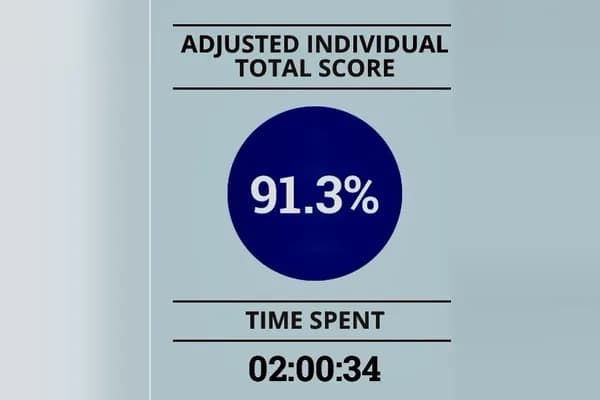
“I got a 91.3 after taking the practice exams many times. Thank you.”
KKarenPassed · sent in the app
AACN CCRN® (Adult)What helped you pass?
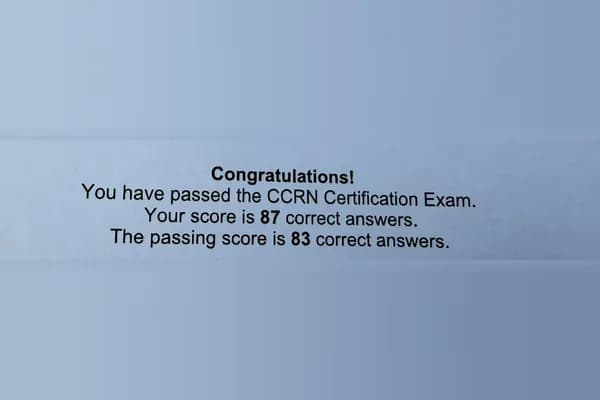
“The questions were very helpful”
✓AACN CCRN® (Adult) studentPassed · sent in the app
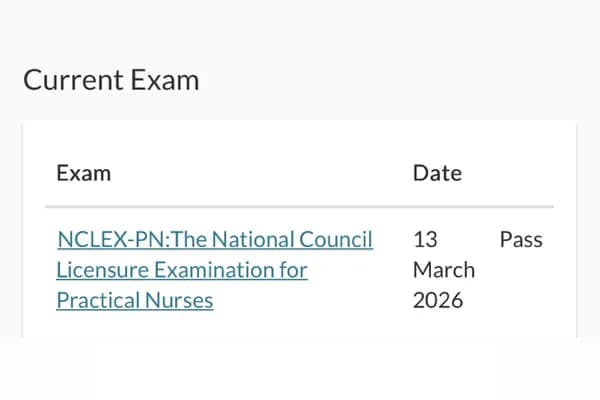
NCLEX-PNWhat helped you pass?
“Doing practice questions daily”
✓NCLEX-PN studentPassed · sent in the app
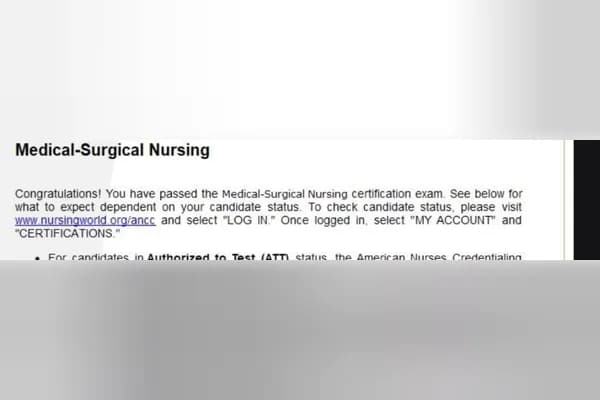
Medical-Surgical NursingWhat helped you pass?
“Your practice questions”
✓Medical-Surgical Nursing studentPassed · sent in the app
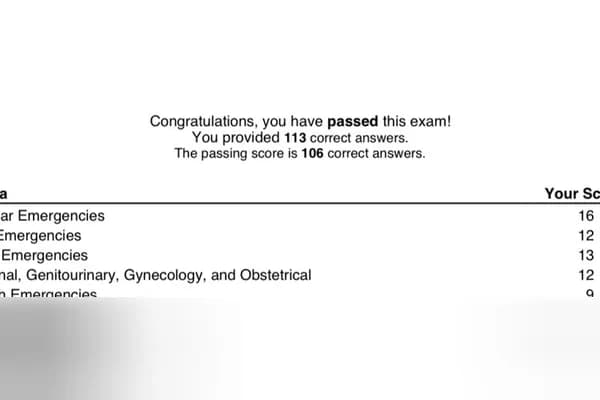
Emergency NursingWhat helped you pass?
“The practice questions trained me to analyze the questions in the actual exam better.”
MBMary B.Passed · sent in the app
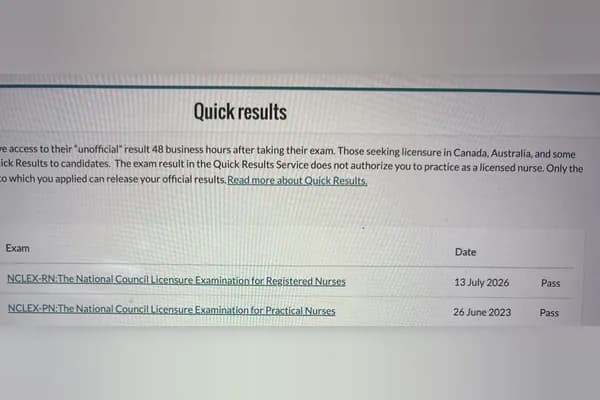
NCLEX-RNWhat helped you pass?
“Practice.”
✓NCLEX-RN studentPassed · sent in the app
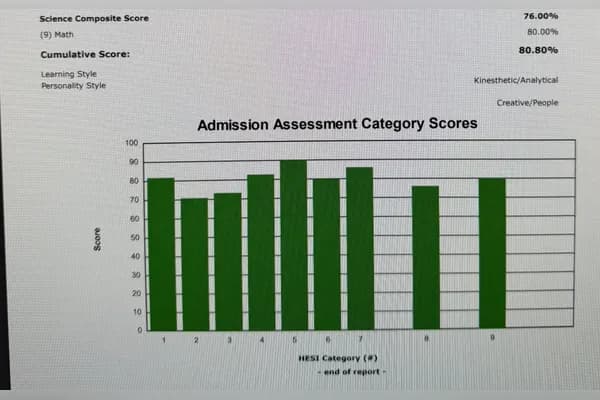
HESI A2What helped you pass?
“All the practice exams really helped and I was able to pass first try! Thanks again :)”
GGabrielPassed · sent in the app
ATI TEASWhat helped you pass?
“I got a 91.3 after taking the practice exams many times. Thank you.”
KKarenPassed · sent in the app
AACN CCRN® (Adult)What helped you pass?
“The questions were very helpful”
✓AACN CCRN® (Adult) studentPassed · sent in the app
NCLEX-PNWhat helped you pass?
“Doing practice questions daily”
✓NCLEX-PN studentPassed · sent in the app
Medical-Surgical NursingWhat helped you pass?
“Your practice questions”
✓Medical-Surgical Nursing studentPassed · sent in the app
Emergency NursingWhat helped you pass?
“The practice questions trained me to analyze the questions in the actual exam better.”
MBMary B.Passed · sent in the app
NCLEX-RNWhat helped you pass?
“Practice.”
✓NCLEX-RN studentPassed · sent in the app
ATI TEAS
“…I didn't study rigorously and still managed to get an 86 on my TEAS today. …”
MAMaile AllenGoogle Play review86 on the TEAS
NCLEX-RNWhat helped you pass?
“This app, the practice questions are the best way to study for the exam”
CCarolynPassed · told us in the app
CNA
“…My daughter says this app saved her career! …”
BHBecki HendricksonGoogle Play reviewPassed
HESI A2What helped you pass?
“The practice questions were similar to the actual exam.”
CCourtneyPassed · told us in the app
HESI A2
“…I'm a single parent with 2 toddlers so it is not easy to study. I was able to pass my Hesi today with a 77% score.”
LSL. Smith-NomelGoogle Play reviewPassed with a 77%
ATI TEASWhat helped you pass?
“The practice exams on specific challenging subjects helped the most. I would set the 50 question exam on one topic at a time so I'd get the most practice on stuff that I needed help on the most.”
BBlancaPassed · told us in the app
AACN CCRN® (Adult)What helped you pass?
“I enjoyed the review questions and ability to simulate exams.”
SSarahPassed · told us in the app
NCLEX-PNWhat helped you pass?
“Doing tests and hours per day of studying, i did the grunt work, no way around it.”
FFrancisPassed · told us in the app
Compare the plansPick your Pediatric Emergency Nursing plan
Review our Pediatric Emergency Nursing preparation plans side by side and choose the plan that best fits your study needs and timeline.One payment. Nothing auto-renews. Full access to all 575 questions.
A 6-year-old with a history of asthma arrives to the ED with respiratory distress. Initial assessment shows tachypnea, suprasternal and intercostal retractions, and diffuse wheezing. After receiving repeated inhaled bronchodilator treatments, the child’s oxygen saturation improves from 92% to 95% on room air, but the nurse notes the child is now drowsy and breath sounds are markedly diminished bilaterally. Which finding most strongly suggests the child is progressing from respiratory distress to impending respiratory failure?
Incorrect
A.New drowsiness with markedly diminished breath sounds
B.Persistent wheezing with moderate retractions
C.Improving oxygen saturation after bronchodilator treatments
D.Tachycardia after multiple inhaled bronchodilator treatments
In your pediatric emergency department, triage uses the following acuity categories: Emergent: immediate physician evaluation (potentially life-threatening or rapidly deteriorating). Urgent: evaluation within 60 minutes (stable but higher risk). Non-Urgent: can safely wait 2+ hours. Deferred: appropriate for outpatient/primary care follow-up rather than ED resources. A 6-year-old child is brought by ambulance after a fall from approximately 10 feet. The child is conscious but lethargic and has bruising around the eyes and behind the ears. Based on the triage definitions above, what category should be assigned?
Correct
A.Emergent
B.Deferred
C.Urgent
D.Non-Urgent
Category QuizAssessment1 of 3 correct04:12
Answers ResultALL 3CORRECT 1INCORRECT 2SAVED 0
A 6-year-old with a history of asthma arrives to the ED with respiratory distress. Initial assessment shows tachypnea, suprasternal and intercostal retractions, and diffuse wheezing. After receiving repeated inhaled bronchodilator treatments, the child’s oxygen saturation improves from 92% to 95% on room air, but the nurse notes the child is now drowsy and breath sounds are markedly diminished bilaterally. Which finding most strongly suggests the child is progressing from respiratory distress to impending respiratory failure?
Incorrect
A.New drowsiness with markedly diminished breath sounds
B.Persistent wheezing with moderate retractions
C.Improving oxygen saturation after bronchodilator treatments
D.Tachycardia after multiple inhaled bronchodilator treatments
Hide Explanation
Impending respiratory failure in children is suggested by signs of exhaustion and inadequate ventilation, such as worsening mental status and decreased air movement (a “quiet” or “silent” chest), even if pulse oximetry looks temporarily improved. The choice describing new drowsiness with markedly diminished breath sounds indicates fatigue and failing ventilation and requires immediate escalation (continuous monitoring, preparation for assisted ventilation, and rapid provider response). Findings like persistent wheezing with retractions are consistent with ongoing respiratory distress but do not by themselves indicate failure. Improving oxygen saturation suggests a response to therapy and does not rule out rising carbon dioxide or fatigue. Tachycardia after bronchodilators is a common medication effect and is less specific for respiratory failure than mental status change with poor air movement.
Pediatric Emergency Nursing questions test how you apply knowledge in real situations. After every answer, you are provided with a clear rationale so you can understand the reasoning, learn from mistakes, and recognize it when it appears again.
Question 1 of 3
×0
A 6-year-old with a history of asthma arrives to the ED with respiratory distress. Initial assessment shows tachypnea, suprasternal and intercostal retractions, and diffuse wheezing. After receiving repeated inhaled bronchodilator treatments, the child’s oxygen saturation improves from 92% to 95% on room air, but the nurse notes the child is now drowsy and breath sounds are markedly diminished bilaterally. Which finding most strongly suggests the child is progressing from respiratory distress to impending respiratory failure?
PiaStudy tutor
Why was "encourage oral fluids" wrong for the heart failure patient?
4:02 PM
Pia
In acute heart failure the lungs are already holding fluid, so extra fluids add to the load. Sit the patient upright, give oxygen, and expect a loop diuretic.
Practice questionCorrect
Which position eases breathing in pulmonary edema?
ASupineBHigh Fowler'sCTrendelenburg
Stuck on a question? Ask Pia.
Pia is the AI study tutor built into Prepia. Ask about the question in front of you and get the reasoning in plain words, with a diagram when a picture helps.
Explains what you missed
Tap Ask Pia under an explanation to go through why the right answer is right and where yours went wrong.
Draws it out
Lab ranges, processes and body systems become whiteboard diagrams you can replay.
Checks that it stuck
Ask Pia to quiz you and a practice question arrives in the chat, marked as soon as you answer.
Study anywhere, on any device
Pick up on the web
Same questions, same progress. Log in on any browser and keep going where you left off.
app.prepia.com
Pediatric Emergency NursingAssessment
7 DaysP
Resume Your Learning:AssessmentResume Quiz
Question of the DayWhich action should the nurse take first when a client develops sudden shortness of breath?Answer now
Daily Quiz
10 Questions
20 Questions
Saved Questions
Missed Questions
Custom Quiz
Subjects
View All
Assessment27 of 79 Questions
Triage Process14 of 52 Questions
Multi-System Considerations18 of 43 Questions
Special Considerations14 of 78 Questions
Professional Issues11 of 35 Questions
System-Focused Emergencies63 of 288 Questions
Take it in your pocket
Phone app, same account: five-minute sessions on the bus, in line, between classes.
9:41
P
Question of the DayAnswer now
Practice Progress28%
Daily Quiz
Subjects
Assessment27/79
Triage Process14/52
Your Quizzes
10 Quick Questions10 random questions
20 QuestionsA longer mixed set
Missed QuestionsRetry what you got wrong
Every answer shapes what you study next.
Practice
Answer exam-specific questions.
Understand
Learn why each answer is correct.
Focus
Turn misses into your next session.
Improve
Repeat with purpose.
Before you start, you probably want to know…
The questions students ask us before they start, answered without the fine print.
Prepia is designed to help you practice the topics, decisions, and pacing required for your exam. Every question includes an explanation so you can review the reasoning behind the answer, not just memorize it. Question banks are updated as exam content changes.


 HESI A2What helped you pass?
 ATI TEASWhat helped you pass?
 AACN CCRN® (Adult)What helped you pass?
 NCLEX-PNWhat helped you pass?
 Medical-Surgical NursingWhat helped you pass?
 Emergency NursingWhat helped you pass?
 NCLEX-RNWhat helped you pass?

 7 Days


